
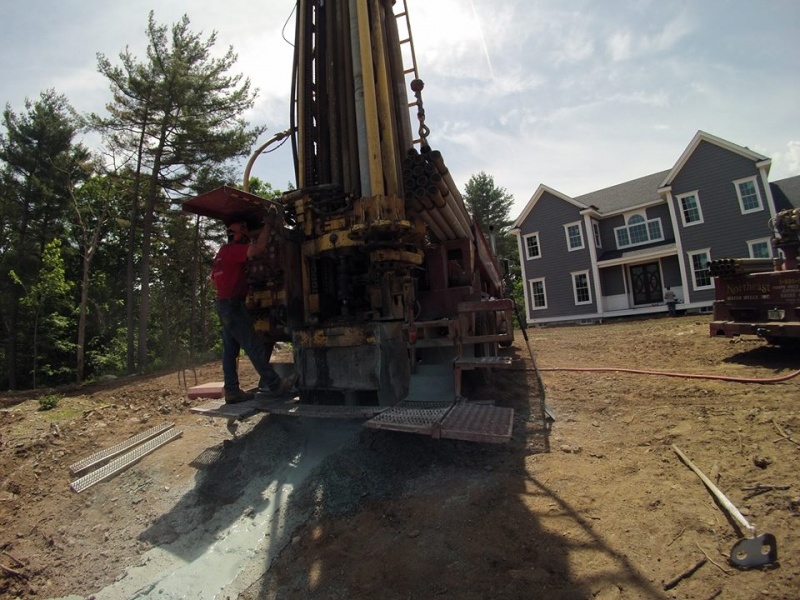
 There are often times questions or concerns about shared wells, whether its regarding a real estate transaction or some general inquires.
By definition, a shared well is a well that services more than one home whether its for residential or irrigation purposes. They can service up to two or more homes, and if there were more than four, then it would be classified as a community well.
If you are considering buying a home that has a shared well, there are a few things to keep in mind:
- Is there a shared well agreement for your water system?
- What will the operating system cost you monthly?
- Are there are any built-in contingencies for remediation, repairs, maintenance, and quality testing?
- Are there any restrictions in using your system?
Also, just like a private well, there should be inspections done on shared wells. Now that there are possibly more than four homes involved, more than ever it is imperative that everything be working correctly within the water system.
Here are a couple things you should find in your agreement (or add in, if need be):
- Specification of the cost involved to share your pump in regards to power, repairing, testing and inspecting.
- Requirement that each well user fix any issues with their section of plumbing promptly.
- Requirement for corrective courses of action if testing reveals a deficiency (with the consent of all parties involved).
- Prohibit the use of the water well by any party for any reasons other than domestic usage. If need be, make sure this is spelled out so all involved parties understand.
- No outside or new residences may connect and make use of the water well.
- Prohibit anyone from locating/relocating a septic system so that it is within 50 ft of the shared water well.
There are other things to consider, but these are the most important to find out about first. Many times the workers here at Northeast Water Wells will deter people from using shared wells, especially if there is no formal Shared Well System Agreements.
I share a well and wiring is hooked to his house. I have no control over water ( if his electricity is off I do not have water; plus recently had a burst pipe before my shutoff and basement flooded due to the fact I couldn’t shut pump off). I cannot sell my house without some solution. Any ideas or advice?
We have seen this many times come up with shared well systems. If at all possible if your property allows for a new well it would be best to separate and install your own well system.
I like how you said that doing repairs for your well would fall between the two of you. Agreeing to hire someone to do maintenance for your wells would be really nice. That way you both just pay a portion of what is being done and then you are good to go!
My husband and I are looking to purchase a rural property and discovered there is a shared well on it, which we know nothing about. I really liked what you said about checking for a shared well agreement for the water system with an operating system that can cost us monthly. It’s good to keep all of this in mind. Thank you for the information about checking those agreements and operating systems for built-in contingencies for remediation, repairs, maintenance, and quality testing.
I am glad you mentioned that wells should be serviced each year. We want to update our shared well. Thank you for the information on shared wells versus private wells.
I like the idea of a shared well that services more than one home. My neighbor and I have actually discussed drilling and putting in a well for both of us. I think it would be a great idea to split the benefits and such of a well. Not to mention, we could also tell people we have a well with our neighbor.
Thanks for explaining that inspections need to be done for both shared and private wells. My husband and I are interested in having a well drilled on our property so we can live a more off-the-grid lifestyle. I’m glad I read your article because now I know what to expect from having a water well.
I liked that you explained that a shared well is a water well that can be shared between several homes. I have considered moving to a home that is outside of city limits, but a concern has been the water situation. Knowing that there are other ways to attain water, aside from pipelines, helps me feel comfortable with the idea of moving.
Bev I have shared well on my property,I recently changed the shut off vavle so if any pipe goes in basement I can just close that valve….in my feed he controls power because it was a father giving his daughter use of water,they pay electric….our tee and his line my line sprung leaks ..cost 3000.00 made him share expenses…..I did not charge him for yard repair,I should have….I’m thinking of getting a new property lawyer to discuss me taking the power away from them…and instead of him paying Nyseg.pay me $30 a month….if he doesn’t I can stop his water….many times when power goes down they leave their house,when all I ask is to turn generator on for 20 min,so can get water…..hope this helps!!!
I have a question and hopefully you can help me with. I live on a property and we share a well that’s running off my meter. (4 homes are using it). Should I charge them for water usage?
We are in a community well agreement. This summer weve had a drought and being at the near end of the line have barely above a dripping faucet for water. We may lose our tenents. Not sure how to proceed as manager wont return our calls. Help!!